

Iran’s steel exports on the brink of crisis; Trade Association warns!
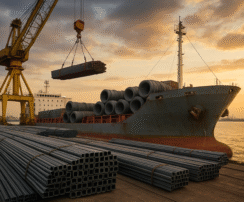
In recent years, Iran’s steel industry has faced a series of domestic and international challenges that have directly affected both steel exports and the domestic iron and steel market. Rising production costs, exchange rate fluctuations, foreign sanctions, and regulatory policies have put heavy pressure on producers and have even forced some units to reduce capacity or temporarily halt production. On the other hand, trade associations and industry activists believe that the industry, with its inherent flexibility and experience of the past years, has been able to maintain its course and continue to be present in regional and global markets. In this article, Ahan666, we will examine in detail the export situation, domestic pressures, the impact on the iron and steel market, and the future outlook for the Iranian steel industry.
Thank you for reading this post, don't forget to subscribe!Iran’s steel exports at the crossroads of currency policies
One of the serious challenges facing the steel industry is the Central Bank’s foreign exchange policies, which have been criticized by experts and members of parliament for years. The sharp difference between the free exchange rate and the agreed rate has caused steel exporters to face direct profit and loss reductions. Many producers are forced to buy in the open market to secure raw materials, while the return of foreign exchange from exports to mandated rates severely reduces their profits.
This situation not only reduces the incentive to actively participate in global markets, but also causes domestic investors to move towards other industries or less risky markets. In the long term, the decline in steel exports will reduce Iran’s industrial competitiveness in global markets and put pressure on the chain of related industries such as sheet metal, beam, and rebar production. Also, the increase in domestic prices of steel products and its impact on development projects, construction costs, and the country’s macroeconomics show that reforming foreign exchange policies is of great importance.
The resistance of the hardware market to external pressures
Despite severe external pressures and difficulties, some union activists and industrial managers believe that Iran’s steel industry has managed to maintain its flexibility. The secretary of the Iranian Steel Rolling Mills Association has stated that despite sanctions, banking restrictions, and rising transportation costs, producers have been able to find alternative routes for exports and maintain their share in regional and global markets.
Analysts at Ahan666 also emphasize that the steel industry has been able to manage external pressures by relying on the experience of past years and recognizing alternative logistics routes. This fact shows that the Iranian steel market, even under sanctions, is capable of surviving and recovering. From this perspective, warnings of complete bankruptcy or market collapse are often temporary, and parts of the industry have been able to consolidate their position.
The hidden costs of loss-making steel producers
Despite the industry’s relative resilience, domestic and economic crises are still putting heavy pressure on producers. Official reports from the Alloy Steel Producers Association show that declining exports, rising energy costs, exchange rate fluctuations, and inconsistent economic policies have eroded the financial strength of many factories. Some units are reporting a sharp decline in production capacity and temporary shutdowns of production lines, and the private sector is reporting a series of continuous losses.
This situation could lead to a domino effect that would also affect related industries. The decline in domestic production, the increase in the price of rebar, beams, and steel sheets, will put additional pressure on construction and industrial projects. If the government does not adopt supportive and reform policies, the risk of closure of production units and an increase in widespread unemployment will be highly likely.
Steel Market Outlook: Between Hope and Concern
The future of Iran’s steel industry is a mix of hope and concern. According to analyses by the Ahan666 website:
- If international conditions remain relatively stable, steel export revenues could grow by 20 to 45 percent in the second half of 1404.
- Achieving this growth requires reforming domestic policies, especially in the areas of foreign exchange and banking.
- The domestic hardware market also reacts quickly to the slightest change in exchange rates or export conditions.
The recent relative stability in the prices of some steel products is a sign of the market’s anticipation of policymakers’ decisions. If the government can establish the necessary coordination in foreign exchange and support policies, the Iranian steel industry will be able to consolidate its position in the national economy and global markets.
Conclusion
In the face of currency and international challenges, along with domestic pressures, Iran’s steel industry has managed to maintain its course with flexibility and intelligent management. Reforming currency policies, supporting producers, and creating competitive conditions for exports are the keys to maintaining the domestic market and steel’s export position. The Ahan666 website always provides accurate and up-to-date analyses so that steel industry activists can make decisions with complete and specialized information and pave the way for the sustainable development of Iranian steel.

