
Oman’s Green Innovation: Pioneering Sustainable Transformation in the Global Steel Industry
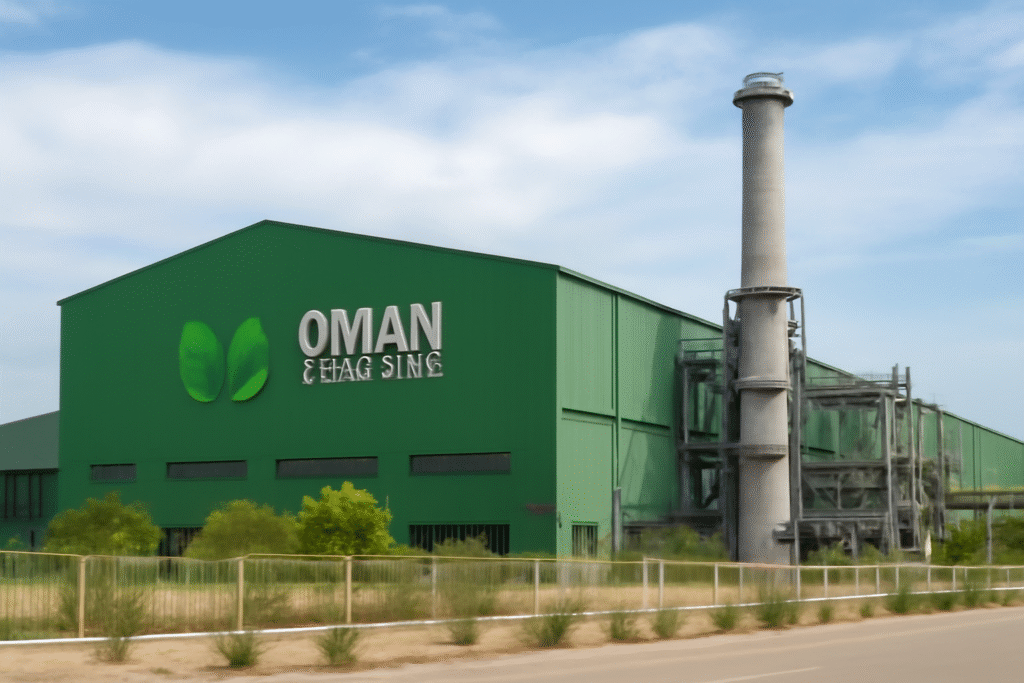
According to Ahan 666, in recent years, the global steel and iron market has become a place for intense economic competition and major developments around the world. On the one hand, economic crises, trade tariffs and economic wars have damaged the competitiveness of various countries, and on the other hand, environmental developments, green innovations and social changes have greatly affected this market. Meanwhile, countries that have been able to adapt to these developments have not only emerged better in global competition but also play a more effective role in guiding the future of this industry. Oman, as a growing country in the field of steel production, has become one of these countries with the innovative steps it has taken towards environmental sustainability. The country has launched the first integrated ship recycling center in the Middle East, which is capable of producing more than two million tons of green steel annually.
Thank you for reading this post, don't forget to subscribe!This move not only represents Oman’s significant progress in the field of low-carbon steel production, but can also serve as a model for other steel-producing countries in the world, including Iran. These innovations in the steel industry will not only help reduce pollutants and improve air quality, but can also play a significant role in changing global steel export and import patterns in the not-so-distant future. With new environmental approaches, it seems that the steel industry should move in a sustainable and green direction, and this is a path that other countries will seek to follow in the not-so-distant future.
The Turkish Crisis: Unfair Competition and Big Challenges
One of the crises that has gripped the global steel industry in recent years is the increase in cheap and subsidized steel imports from China and other East Asian countries to Turkey. Turkey, one of the world’s largest steel producers, has been facing heavy steel imports from these countries since 2020. These imports have not only caused a recession in the Turkish steel industry, but also caused the loss of a significant part of the country’s domestic production capacity. Some experts believe that this trend could gradually reduce the competitiveness and efficiency of the Turkish steel industry. Currently, Turkey’s 60 million tons of steel production capacity is operating at an utilization rate of less than 60%, and many investments in the industry have been postponed.
This situation has not only affected domestic production in Turkey, but also could harm the export and import trends in the Middle East region. As one of the largest importers of steel from various countries, Turkey has been severely affected by these cheap imports, and this issue could significantly change the trade patterns in this region. Iran, which is one of the major steel producers in the region, can exploit this crisis to create new opportunities for steel exports to different countries. In addition, Iran can produce high-quality and low-carbon steel, given its steel production capacities, to strengthen its position in global competition.
Canada’s support policies and the role of governments in the steel industry
Alongside the Turkish crisis, Canada is also trying to protect its domestic steel industry from external pressures and cheap steel imports. By creating protective policies, such as requiring the use of domestically produced steel in infrastructure projects, the country has not only supported its domestic employment, but also distanced itself from US tariffs and economic pressures. Canada’s protective policies for domestic steel have greatly affected the competitiveness of the country’s steel industry and have been able to create better conditions for domestic producers.
A comparison of Oman and Canada shows that for the growth and progress of the global steel industry, a combination of two essential factors, namely green innovation and smart government support, is essential. These two countries are recognized as successful examples in this field by adopting policies that help develop the green steel industry and support domestic employment. Iran can also strengthen its position in the global steel market and increase its competitiveness by using supportive policies and encouraging environmental innovations in the steel industry.
Price changes and challenges in the global steel market
The global steel market has seen sharp price fluctuations in 2025. In Europe, prices rose due to expectations for the implementation of new EU regulations, but this price increase was more due to market sentiment than real demand. Meanwhile, the US has seen a sharp decline in demand and oversupply of steel, which has pushed prices down to their lowest levels in several months. China, the world’s largest producer and consumer of steel, has also had a relatively stable market during this period, although high inventories and weak exports have kept prices from growing much.
These developments show that the global steel market is no longer easily predictable and that each region is driven by its own drivers. For Iranian hardware market players, monitoring these developments has become essential, as even the smallest change in global supply and demand can have far-reaching effects on prices, import and export patterns, and even domestic industrial policies. For this reason, Iran must be aware of global changes and be able to react in a timely manner.
Europe in the midst of economic and competitive crises
Europe in particular has been hit by economic and competitive crises. In the UK, the government is looking to consolidate steel companies to create long-term stability as the country grapples with high energy prices and a global oversupply. In Germany, there has been an increase in scrap exports to various countries, but revenues have been lower due to falling prices. In Italy, steel production is expected to grow in the first half of 2025, but the country is still struggling to make up for last year’s decline.
These developments show that Europe is experiencing a difficult period, including structural problems, price challenges, and efforts to return to growth. Iran can learn from these developments and seek to establish long-term stability in its domestic steel industry so that it can be less affected by global fluctuations.
The global steel industry is on the path of a new transformation
Finally, the overall picture of the global steel industry in 2025 shows that the industry is undergoing major changes. Economic and competitive crises in Turkey, green innovations in Oman, government support in Canada, and economic developments in Europe and China all have major impacts on the global steel market. Given its rich resources and production potential, Iran should participate in these global developments and move towards environmental innovations and government support in order to strengthen its competitiveness in the global market and gain a greater share of steel export markets. The future of Iran’s steel industry, like other steel-producing countries, will depend on the combination of these two factors: green innovation and smart government support.