
Overview of the steel market situation in September 2025
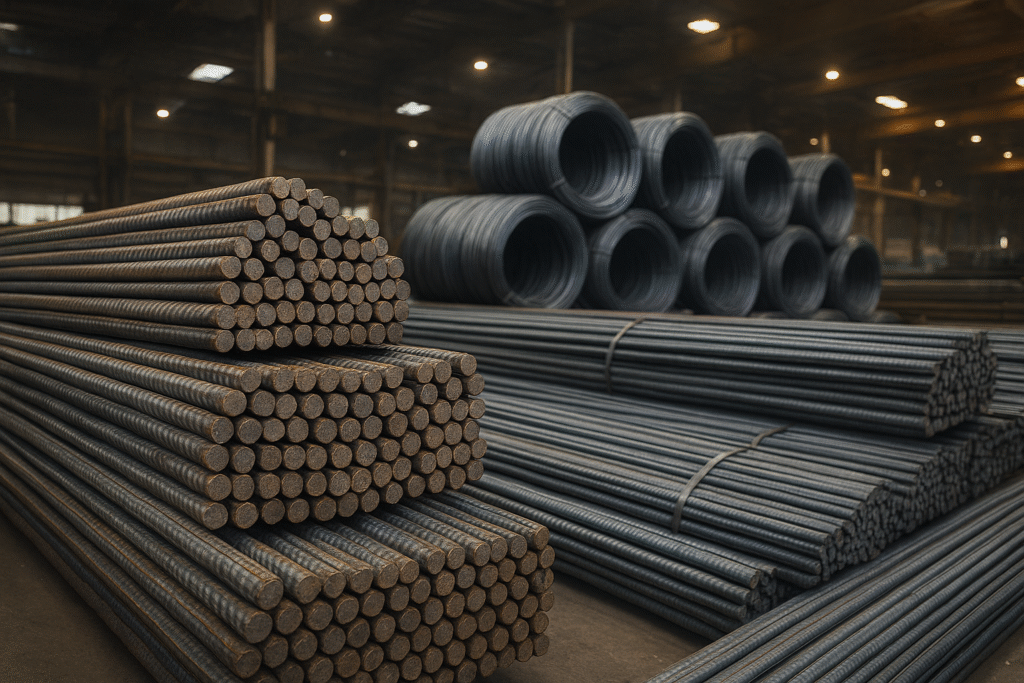
The steel industry is one of the main pillars of the global economy and the foundation of heavy industries, playing a key role in various sectors including construction, automotive, energy, transportation and critical infrastructure. In recent years, several factors such as regional economic recession, global market fluctuations, conservative trade policies, constant energy cost changes, and environmental pressures have caused steelmakers to face complex challenges. September 2025 is also known as a transition period for the global steel market; while demand in some regions is weak and prices are under downward pressure, production capacity continues to increase and environmental and trade considerations increasingly affect production strategy and business decisions. This article aims to provide a complete picture of the global and domestic steel market situation, production trends, prices, demand and opportunities for steelmakers by the Ahan666 site.
Thank you for reading this post, don't forget to subscribe!Global crude steel production outlook in 2025
According to data published by reputable global institutions, world crude steel production will reach approximately 1.846 billion tons in 2025. Production capacity is expected to increase by about 6.7% from 2025 to 2027, equivalent to the addition of 165 million tons of new capacity. This increase will occur mainly in Asia, especially in China and India, which remain the world’s largest steel producers.
However, the growth of production capacity faster than the growth of demand has led to an increase in excess capacity in the global market. The rate of production capacity utilization in many plants is below the optimal level, which puts significant pressure on the overhead costs, productivity and profitability of producers. In addition, the increase in production capacity without coordination with the actual market demand can lead to severe price fluctuations and increased negative competition in export markets. For steelmakers, capacity management and production efficiency have become a critical factor in these circumstances.
Global demand for steel and iron products
Limited demand growth
Global steel and hardware demand is forecast to grow by 1.2% in 2025 compared to 2024, equivalent to an increase of around 20-25 million tonnes of finished steel. In China, the world’s largest steel consumer, demand in some sectors such as residential construction and infrastructure projects has been weak, and steel production has been reduced under pressure from environmental restrictions and domestic regulations. These factors have caused demand growth in the Asian market to slow down.
Asian and European market conditions
- Asia: Steel prices in many Asian countries, especially China, remain at historically low levels and are not showing any significant increases. Declining end-use demand and capacity-restricting policies are the main factors behind this situation. In addition, Asian countries have increased production costs by focusing on reducing carbon emissions and using clean technologies, which is putting further pressure on profitability.
- Europe: European producers are facing low-priced steel imports, making it difficult to compete with domestic products. Some countries have imposed tariffs and protectionist policies to mitigate these pressures. However, uncertainty over trade and tariff policies continues to weigh on the market, making decision-making difficult for European steelmakers.
Key global market challenges
- Excessive production capacity: Huge investments in Asia and underutilization of new plants have pushed supply ahead of demand growth, creating significant overcapacity.
- Weak demand in some markets: A slowdown in the construction sector, high financing costs and reduced investment in infrastructure projects, particularly in Europe and China, have limited demand.
- Energy costs and environmental pressures: Rising energy prices and the requirement for steelmakers to reduce carbon emissions and use low-carbon technologies require heavy investments and reduce production profitability.
- Trade and political uncertainty: Tariff policies, sanctions, trade wars, and steel rules of origin reduce market participants’ confidence and create greater price volatility.
Steel Industry Outlook until the End of 2025
Trend analysis suggests that demand weakness and downward pressure on prices will continue through the end of 2025, particularly in Asian markets such as China and parts of Europe. However, a number of factors could facilitate a recovery in 2026, including:
- Improving the global economy and reducing financing costs
- Greater transparency of trade policies and reduction of restrictions
- Implementing large infrastructure projects in developing countries
Steel prices are forecast to increase slightly in some markets in 2026, not due to a major supply shock, but rather due to minor adjustments in production capacity, temporary reductions in non-competitive capacity, and a gradual recovery in demand. Therefore, steelmakers that can manage their production capacity and costs can take advantage of market opportunities and maintain their profitability.
Global Hardware Market Status in September 2025
Iron ore price
On September 23, iron ore prices fell below 803 yuan per ton. The main reason for the price decline was the decline in final steel consumption demand in China in the third quarter of the year. The world’s major steel producers have also limited new capacity and increased inventories to deal with overproduction and falling prices. In addition, China’s government policies to replenish stocks before the National Day holiday have helped stabilize the market to some extent.
Steel production in Japan and India
- Japan: Japan’s crude steel production in August fell 3.4 percent year-on-year to 6.64 million tons, reflecting a slowdown in industrial activity and pressure on the domestic market.
- India: Indian steel production increased by 14.2% during the same period, driven by growing domestic demand and extensive infrastructure projects in the country.
Rebar futures
Steel rebar prices also fell to around 3,080 yuan per tonne on the same day as China’s final consumption demand weakened in the third quarter despite previous production growth. Capacity-restriction policies by the world’s largest producer led to rising inventories and continued pressure on prices.
Iran’s steel market and price trends
Domestic product price growth
In the domestic market, prices were on the rise on Tuesday, October 1. The increase in the exchange rate and the activation of the trigger mechanism caused the prices of many steel products to rise:
- Isfahan Iron Smelting Iron Beam: Increase of about 2 percent; about 49 thousand Tomans per kilogram.
- Mobarakeh Steel Black Sheet (2000*1000): Growth of 2.1 percent; about 44 thousand tomans per kilogram.
- Sepahan galvanized pipe (8 inches): No change; about 82,090 Tomans per kilogram.
These increases indicate the sensitivity of the domestic steel market to exchange rate fluctuations and macroeconomic policies, and this trend is expected to continue in the coming months under the influence of global and domestic factors.
Opportunities and strategic recommendations for steelmakers
Despite numerous challenges, there are still strategic opportunities for steelmakers:
- Investing in green and sustainable steel using low-carbon technologies and electric arc furnaces
- Focus on emerging markets and developing countries where steel demand is increasing
- Optimizing production capacity and reducing overhead costs through energy efficiency and new technologies
Steelmakers that follow these strategies can maintain their competitive position and increase their profitability, even in conditions of relative global recession.
Conclusion
September 2025 is a relatively stable period for the global steel industry; oversupply, low prices and weak demand in many markets are the main challenges. However, steelmakers that move towards sustainable production, capacity management and exploitation of emerging markets can benefit from market opportunities and strengthen their position in the global competition.
The above comprehensive analysis was prepared by the Ahan666 website and aims to provide an accurate and up-to-date picture of the global and domestic steel market for industry activists, investors, and economic analysts.