
Analysis of the stability of the hardware market; temporary calm or the beginning of long-term concerns?
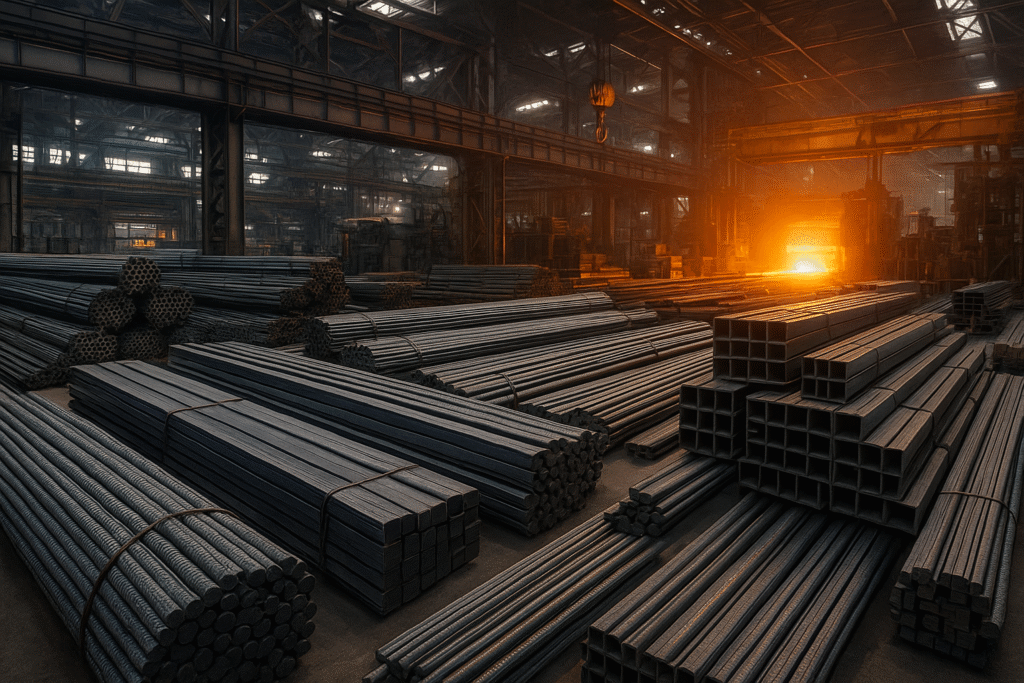
Iran’s iron and steel market has been experiencing a dual situation in recent weeks; on the one hand, the relative stability of prices has brought temporary relief to the sector’s activists, and on the other hand, signs of global recession, the return of sanctions, and a decline in domestic demand have made the future outlook unclear. In this analysis, the Ahan666 website examines the factors affecting the current and future situation of the iron and steel market.
Thank you for reading this post, don't forget to subscribe!Global signals and the role of iron ore
The importance of iron ore in the global steel market
Iron ore remains the main variable in determining the global price of steel. In recent weeks, the price of this vital material has stabilized at around $105 per ton. But with the arrival of Guinean iron ore shipments to China, the possibility of a price drop to close to $80 has increased. Such a trend could destabilize the steel production chain and put additional pressure on exports from countries such as Iran.
Demand slowdown in East Asia and the Black Sea
The steel market in key regions such as the Black Sea ports and East Asia is clearly showing signs of declining demand. The stability of black plate prices and a slight decrease in rebar exports from China and Turkey indicate that the global market is entering a period of demand stagnation. This is also a serious alarm for Iranian exporters.
The Shadow of Sanctions and Domestic Policies on Iran’s Steel Industry
The effect of international sanctions
The return of Security Council sanctions and the activation of the trigger mechanism have increased the costs of Iranian steel production and export. Restrictions on bank transfers, rising transportation costs, and the requirement to return foreign exchange at fixed rates reduce the competitiveness of Iranian products.
The role of domestic politics
Despite the pressure of sanctions, experts believe that the main problems of the Iranian iron market are rooted in domestic policies. If currency reforms and facilitating access to foreign exchange for importing raw materials are not implemented, steel exports will face a crisis more than before. The Ahan666 website has repeatedly emphasized the importance of expert decision-making in this sector.
Construction recession and the iron market distancing itself from currency fluctuations
Demand stagnation in the domestic market
One of the main reasons for the relative stability of prices is the severe recession in the construction sector. Unlike gold and copper, the iron market does not have a direct and immediate relationship with the exchange rate and is more dependent on the state of construction and export restrictions.
Relative independence from exchange rates
Tax controls and multiple regulatory systems have prevented waves of speculation in the iron market. Only a portion of steel sections, such as flat sheets, which are highly dependent on imports, are affected by currency fluctuations.
Intermittent fluctuations; between stability and gradual decline
Recent changes in prices
- Reduction of 100 to 500 Tomans in the price of rebar in some factories
- A drop of 50 to 100 thousand tomans in the iron beam
- Reduction of 200 to 700 Tomans for Mobarakeh Steel Black Sheet in some thicknesses
These changes indicate that the market is in a waiting state and its participants prefer to refrain from heavy purchases until global and domestic signals become clearer.
The role of news and developments
Any new news about currency changes, trade policies, or global market trends can quickly affect traders’ behavior. Therefore, it can be said that the market is in a fragile and sensitive situation.
The future of Iran’s iron market depends on domestic decisions
Iran’s iron market is at a critical point today. On the one hand, the arrival of Guinean iron ore to China, the return of sanctions, and the domestic construction recession are putting additional pressure on prices, and on the other hand, ineffective domestic policies have prevented the sustainable growth of this market.
Market players have no choice but to focus on increasing productivity, managing costs, and waiting for domestic policy reforms to survive. The future of the steel industry depends not only on global trends but also on the intelligence of domestic policymakers.
The Ahan666 website continues to clarify the status of the iron and steel market for its audience by providing daily analyses and specialized reports.